Every year tens of thousands of internationally mobile entrepreneurs, investors, and business owners decide where to put their company. That decision shapes their tax position, banking access, privacy, and operational credibility for years. In 2025, several clear patterns emerged from the available official data. Some jurisdictions that dominated a decade ago are under pressure. Others that barely registered five years ago are now growing fast. And a few perennial favourites continue to absorb enormous formation volumes simply because they work for the specific use cases they serve.
This analysis draws on official statistics from the BVI Financial Services Commission, the UAE Ministry of Economy, DIFC annual reports, and formation industry data published by major service providers. Where precise 2025 figures are not yet publicly released, we use the most recent official data available and note the source.
BVI: Still the World's Largest Offshore Registry
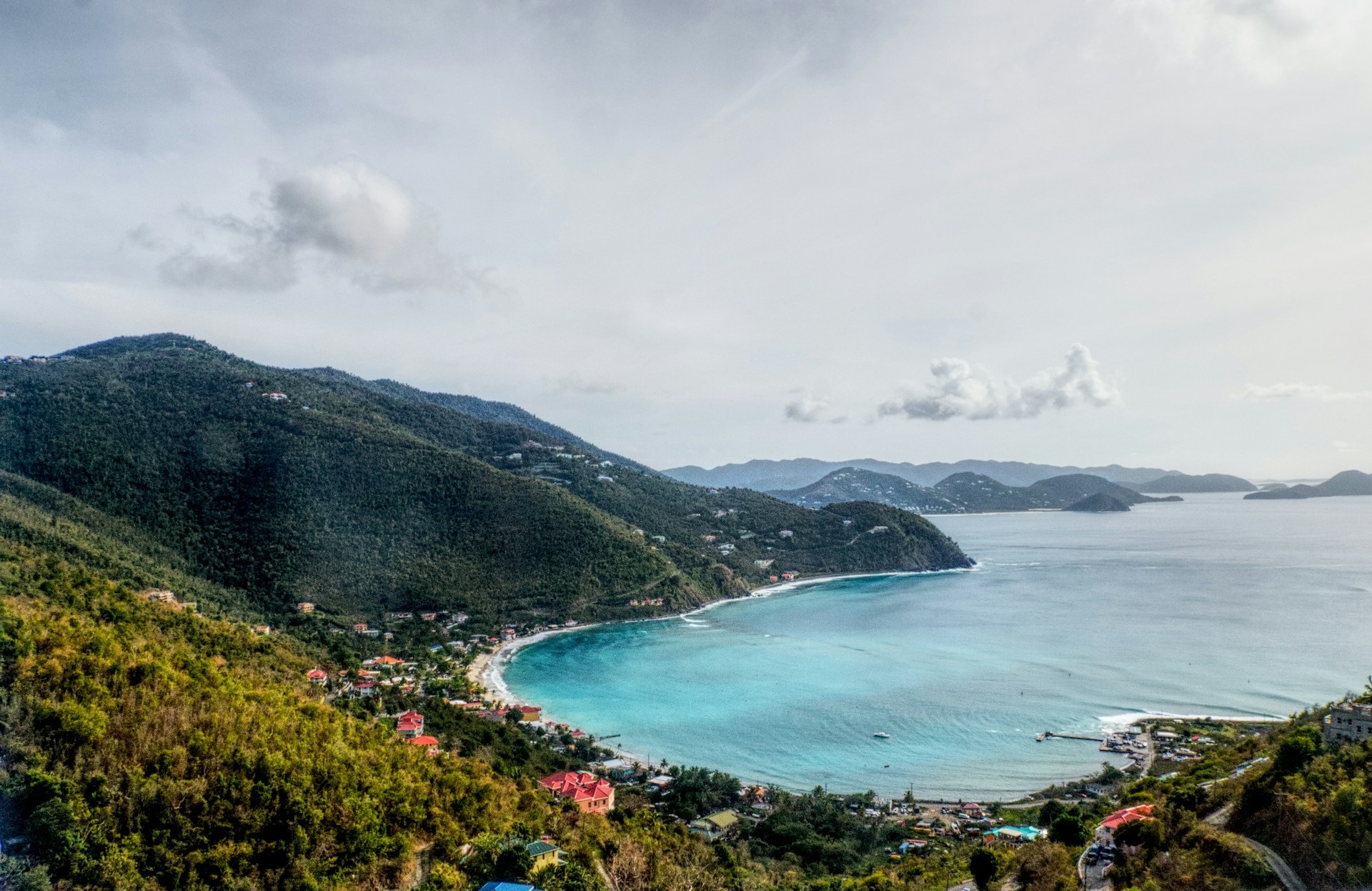
BVI · 362,000 active companies · end 2025 · world's largest offshore registry
The British Virgin Islands remains the single largest offshore company registry in the world by volume. According to tracked FSC data, there were 362,125 active companies in the BVI as of 31 March 2026, up from 356,256 at 31 December 2025. That means new incorporations were outpacing dissolutions in early 2026, continuing a trend of gradual recovery after the sharp declines that followed the 2017 Panama Papers and 2022 FATCA pressure.
The BVI absorbs roughly 25,000 to 30,000 new company formations per year from international clients. Its appeal is structural: 0% tax on foreign income, fast formation in 24 to 48 hours, no public shareholder register, a mature common law legal system, and recognition by banks and counterparties globally that no newer jurisdiction can match. The 2026 amendments introduced legitimate interest access to ownership information, which has modestly reduced BVI's privacy advantage relative to Nevis and Seychelles, but has not materially dented formation volumes. For holding companies, fund vehicles, and international trading structures, the BVI remains the default choice for the sophisticated international market.
UAE: Volume and Quality Combined
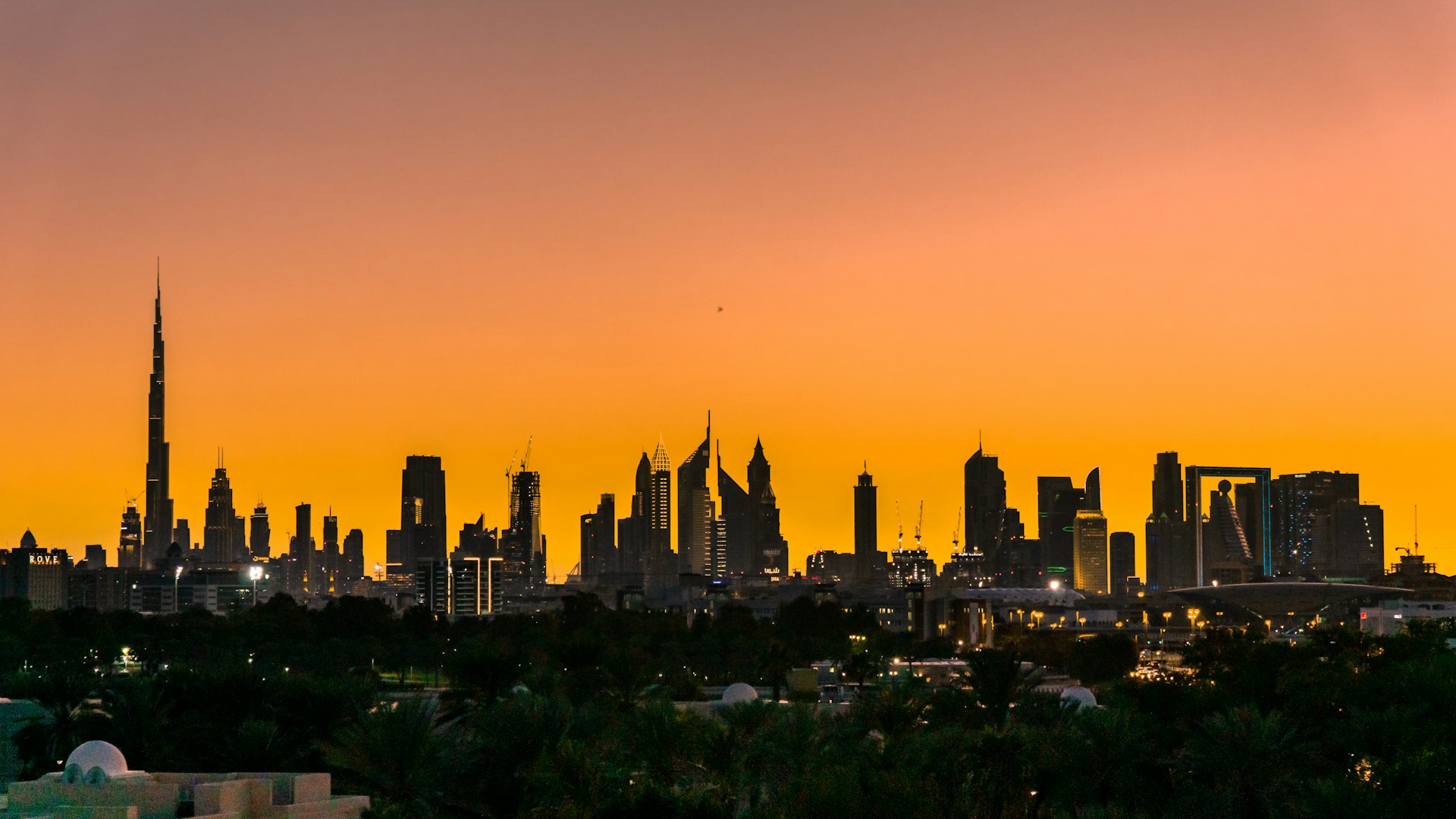
UAE free zone ecosystem · 1.4 million entities · DIFC 8,844 companies · DMCC world's largest free zone
The UAE's 1.4 million registered entity figure spans mainland companies across all seven emirates and more than 45 free zones. The comparison with BVI is not direct: UAE numbers include local trading companies, retail licences, and sole establishments alongside international holding structures, but the trajectory is striking. DIFC, ADGM and DMCC together account for approximately 47,500 companies, representing the UAE's regulated, internationally-facing formation segment.
For internationally mobile founders, UAE free zone formations are driven by four factors that other jurisdictions cannot replicate simultaneously: zero personal income tax, 9% corporate tax with Small Business Relief up to AED 3 million, genuine banking infrastructure with access to Stripe and PayPal, and actual physical residency that satisfies economic substance requirements. The UAE is not offshore in the traditional sense. It is an onshore low-tax jurisdiction where founders actually live. This is precisely why it absorbed a disproportionate share of formation activity from GCC-based and globally mobile founders in 2025. 1Stop Connect and its accredited partner handles free zone formation across DMCC, IFZA, SHAMS, and Meydan for clients at every stage.
The 2025 Jurisdiction Data at a Glance
| Jurisdiction | Active companies (2025 est.) | New formations 2025 (est.) | Primary use case | Trend |
|---|---|---|---|---|
| BVI | 356,000+ | ~25,000 | Holding, funds, trading | Stable |
| Delaware (USA) | 1,800,000+ | ~200,000 | Startups, VC-backed, US market | Growing |
| UAE Free Zones | ~600,000 | ~60,000 | Residency, trading, tech, e-commerce | Fast growing |
| Seychelles | ~200,000 | ~20,000 | Holding, privacy, crypto | Stable |
| Cayman Islands | ~110,000 | ~8,000 | Funds, hedge funds, private equity | Stable |
| Singapore | ~600,000 | ~50,000 | Asia-Pacific, tech, trading | Growing |
| Panama | ~400,000 | ~15,000 | Holding, Latin America, asset protection | Stable |
| Nevis | ~20,000 | ~2,000 | Trusts, asset protection, privacy | Stable |
Sources: BVI FSC Statistical Bulletin, UAE Ministry of Economy (end-2025 NER), DIFC Annual Report 2025, formation industry aggregate data from BBCIncorp, Privacy Solutions, and HPT Group. Delaware figure from Delaware Division of Corporations. Seychelles, Panama, Nevis, and Cayman estimates based on industry formation data and registered agent reporting. Formation estimates are approximations.
The Clear Winners of 2025
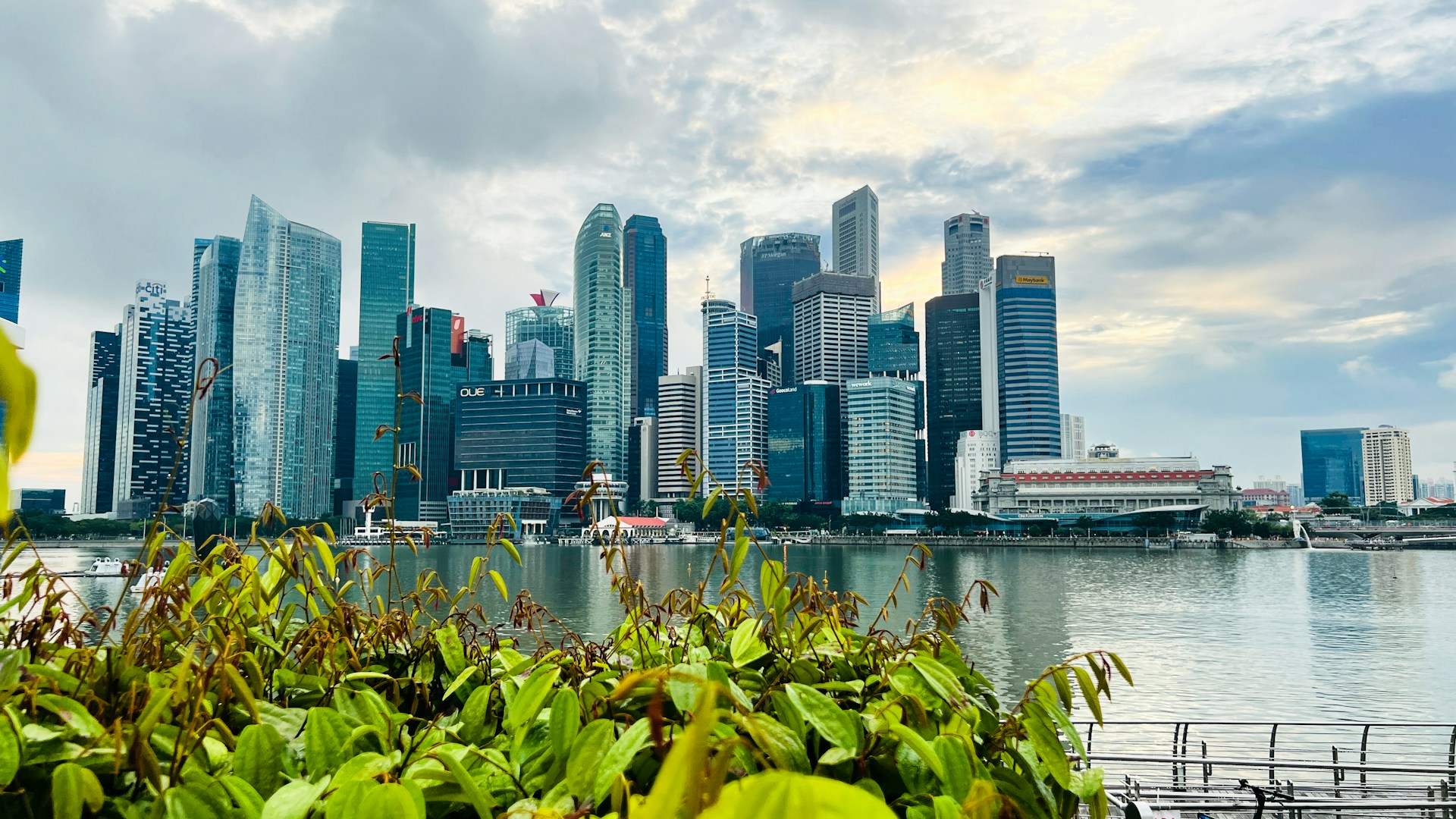
Singapore and Delaware led formation growth in 2025 · startup activity · Asia-Pacific expansion
Delaware is the dominant global formation jurisdiction by raw volume, a fact that surprises many people who think of offshore structuring as exotic island jurisdictions. Delaware offers zero tax on out-of-state income for non-US residents, a mature legal system, venture capital acceptance, and credibility with US counterparties that no offshore jurisdiction can match. For any founder who wants to raise money from US investors, build a product for the US market, or integrate with US payment and banking infrastructure, Delaware remains the only serious answer.
Singapore absorbed a growing share of Asia-Pacific formations in 2025, driven by founders relocating from Hong Kong (which saw net outflows of professional services firms), increased India-to-Singapore structuring for tech startups, and the continued preference of Southeast Asian businesses for Singapore as their regional holding base. Singapore's startup tax exemption scheme, territorial taxation, and first-class banking infrastructure make it the Asia equivalent of Delaware for serious operating businesses.
UAE free zones saw the strongest percentage growth in formations from the GCC, India, Pakistan, and Africa-origin founder communities. IFZA and SHAMS absorbed the volume from cost-conscious SME founders. DMCC and DIFC absorbed the high-value regulated financial services and family office formations. The 2025 data confirms that the UAE's free zone ecosystem is now one of the world's most active company formation destinations by volume as well as by institutional quality.
What the Patterns Tell Us
Three structural patterns stand out from the 2025 data that have implications for anyone deciding where to incorporate in 2026.
Privacy jurisdictions are compressing. The BVI's legitimate interest access changes, Cayman's similar shift, and growing EU information exchange pressure have narrowed the gap between classical offshore privacy and the next tier. Nevis and Seychelles have absorbed some of the demand from founders who need genuine confidentiality that BVI no longer fully provides. Our analysis in Beneficial Ownership Registers: Where Privacy Still Exists covers this in detail.
Residency-linked formation is growing fastest. The jurisdictions showing the strongest 2025 growth are ones where the founder actually lives: UAE free zones, Singapore, and to a lesser extent Cyprus and Malta. The era of pure nominee-driven offshore structures with no founder presence anywhere near the jurisdiction is over. OECD BEPS, economic substance rules, and CRS information exchange have made residence-linked structures not just legally cleaner but practically necessary. The data reflects this.
Specialist use cases remain concentrated. Cayman is not losing ground in hedge funds and private equity funds because no other jurisdiction offers the same combination of regulatory infrastructure, investor acceptance, and legal maturity for that specific product. Nevis is not losing ground in asset protection trusts because no other jurisdiction offers the same combination of two-year clawback limitation and creditor burden of proof. These are not general-purpose jurisdictions competing on price. They are specialist tools used by people who know exactly what they need. 1Stop Connect and its accredited partner structures across all of these jurisdictions and can advise on which fits your specific situation.
"The data from 2025 confirms what we see every week with clients: formation volume follows genuine utility. Jurisdictions that offer a real combination of tax efficiency, banking access, legal credibility, and operational practicality grow. Those that offer only one of those things are under pressure."
— Dr. Dieter Hovorka, PhDFor a detailed look at individual jurisdictions covered in this analysis, see our spotlight articles on Cyprus, Panama, Seychelles, and our guide to e-commerce jurisdiction selection.