The United Arab Emirates offers more company formation options than perhaps any other jurisdiction on earth. Between mainland commercial licenses, over forty distinct free zones, and multiple offshore alternatives, choosing the right structure requires understanding nuances that are not obvious from government marketing materials or online articles recycled by people who have never actually formed a company here.
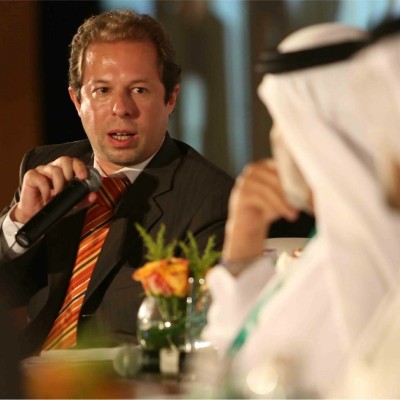
I have lived and worked in the UAE for twenty five years. I have formed companies in Dubai Mainland, JAFZA, Meydan, SHAMS, Masdar City, DIFC, Ajman, and RAK. I have opened bank accounts, hired staff, signed office leases, dealt with auditors, and navigated corporate tax implementation for dozens of UAE entities. This guide reflects that ground level experience, not theoretical knowledge copied from government websites.
"The UAE is not one jurisdiction. It is seven emirates, 40+ free zones, one mainland authority, two offshore registries, and a new corporate tax regime that changed everything in 2023. Know which part you are dealing with."
- Dr. Dieter Hovorka, PhD, based in UAE since 2004Each formation option serves specific purposes and comes with specific tradeoffs. Understanding these tradeoffs before you commit to a particular structure will save you time, money, and frustration. The wrong choice can mean difficult banking, expensive restructuring, or limitations that cripple your business model before it even starts.
- Dubai Mainland: Unrestricted UAE Trading
- JAFZA: Port Integrated Logistics Hub
- Meydan: Best Value Dubai Address
- DIFC: Financial Services Center
- SHAMS: Most Affordable Option
- Masdar: Abu Dhabi Clean Tech Hub
- Ajman Free Zone vs Offshore
- RAK Free Zone vs RAK ICC Offshore
- QE2 Free Zone: Business on an Icon
- Side by Side Comparison
- My Honest Recommendations
The UAE Business Landscape by the Numbers
Since June 2023, UAE corporate entities earning taxable income above AED 375,000 (approximately $102,000) pay 9% corporate tax. Free zone companies earning qualifying free zone income from international or inter-free-zone activities can still benefit from a 0% rate on that income. But if your free zone company earns income from mainland UAE clients without a proper mainland structure, that income may be taxable. This is a complex area and it changed the formation conversation significantly. Always get tax advice specific to your activity.
| Formation Type | Can Trade in UAE Mainland? | Visa Eligible? | Years Operating |
|---|---|---|---|
| Dubai Mainland (DED) | Yes, unrestricted | Yes | 40+ years (law since 1984) |
| JAFZA Free Zone | No | Yes | 40 years (founded 1985) |
| Meydan Free Zone | No | Yes | 15 years (expanded 2016) |
| DIFC | No | Yes | 21 years (founded 2004) |
| SHAMS | No | Yes | 8 years (founded 2017) |
| Masdar City FZ | No | Yes | 17 years (founded 2008) |
| Ajman Free Zone | No | Yes | 37 years (founded 1988) |
| Ajman Offshore | No | No | 13 years (since 2012) |
| RAKEZ Free Zone | No | Yes | 25 years (founded 2000) |
| RAK ICC Offshore | No | No | 19 years (since 2006) |
| QE2 Free Zone | No | Yes | 6 years (since 2019) |
Dubai Mainland: The Unrestricted Option

Dubai Mainland: DED (Department of Economy and Tourism) License
A Dubai Mainland company, licensed through the Department of Economic Development, allows you to trade anywhere in the UAE without restrictions. You can sell to Dubai Mall, Abu Dhabi government, Sharjah companies, or any other UAE entity. You can bid on government tenders. You can operate in regulated sectors unavailable to free zones.
Since June 2021, most commercial activities permit 100% foreign ownership, eliminating the previous requirement for a UAE national partner holding 51% of shares. This reform transformed mainland from a structure requiring local partnerships into a viable option for wholly foreign owned businesses.
Pros
- Trade anywhere in UAE without restrictions
- 100% foreign ownership in most sectors
- Best banking access of any UAE structure
- Government tender eligibility
- Access to UAE double tax treaties
- Strong reputation with local partners
Cons
- 9% corporate tax on profits above AED 375K
- Annual audit required
- VAT registration mandatory above AED 375K
- Physical office lease required
- Higher compliance costs
- Some sectors still need UAE partner
JAFZA: The Trade Giant of the UAE
Jebel Ali Free Zone Authority (JAFZA)
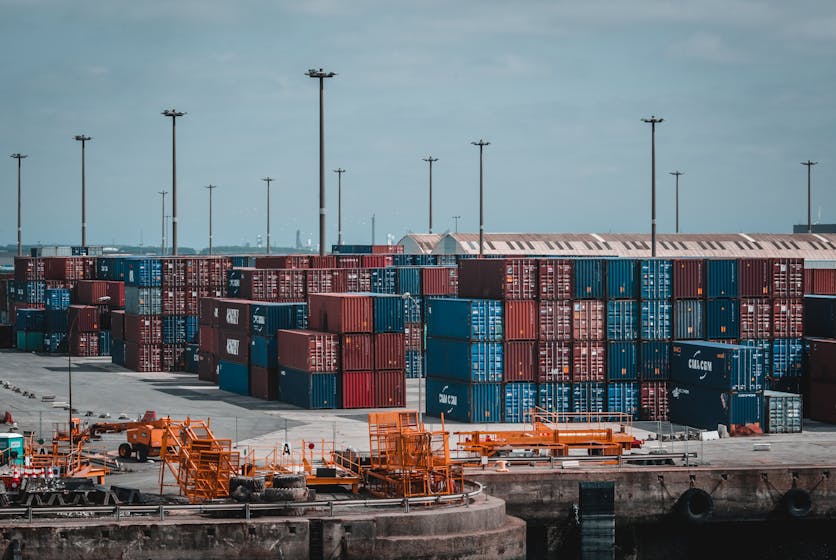
JAFZA, founded in 1985, is the world's largest free zone by trade volume. Its defining feature is direct integration with Jebel Ali Port, enabling seamless goods flow without customs clearance. If your business involves manufacturing, warehousing, or physical trade, this integration is invaluable.
Pros
- 40 years operating history
- Direct Jebel Ali Port integration
- Manufacturing and warehousing allowed
- 9,700+ company business community
- Best banking for trade companies
- International recognition
Cons
- Higher setup and renewal costs
- Not suitable for service businesses
- No UAE mainland trading without agent
- Corporate tax now applies
- Large facility minimum requirements
Meydan Free Zone: Best Value Dubai Address
Meydan Free Zone (MFZ)
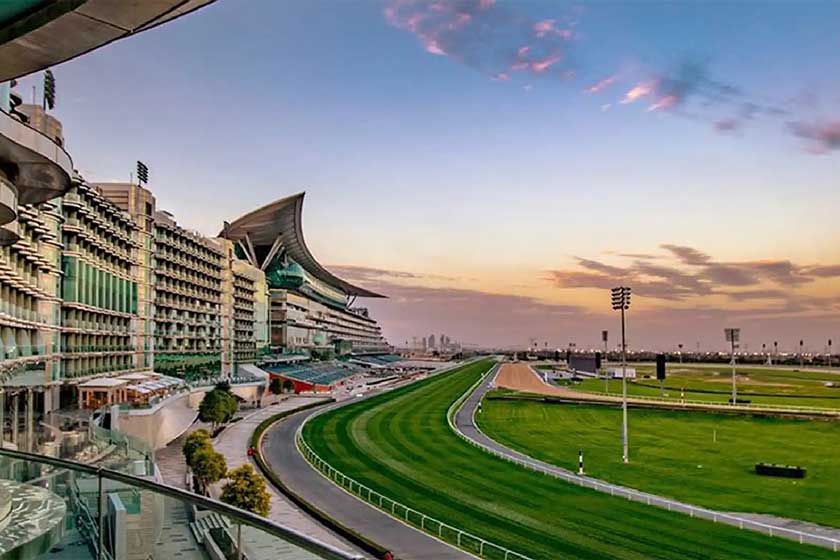
Meydan Free Zone offers the most cost effective way to get a legitimate Dubai address and banking-capable license. Perfect for consultants, SMEs, and service businesses that need UAE presence without JAFZA costs.
Pros
- Most affordable Dubai free zone
- Flexible workspace options
- Quick setup process
- Good for service businesses
- Dubai address credibility
- Reasonable banking access
Cons
- Limited UAE mainland trading
- Smaller business community vs JAFZA
- Less international recognition
- Corporate tax now applies
- Flexi desk may affect banking
DIFC: The Financial Jurisdiction

Dubai International Financial Centre (DIFC)
DIFC operates under English common law with its own courts and regulator. Essential for financial services, asset management, and regulated activities requiring institutional credibility.
Pros
- English common law jurisdiction
- DFSA financial regulation
- Institutional credibility globally
- Independent court system
- Premium banking access
- Fund management licensing
Cons
- Highest cost UAE option
- Complex licensing requirements
- Strict regulatory compliance
- Limited to financial activities
- High minimum capitalization
- No UAE mainland trading
SHAMS: Sharjah Media City

SHAMS: Sharjah Media City Free Zone
SHAMS in Sharjah offers the cheapest legitimate UAE free zone license, often under USD 1,000 annually. Perfect for freelancers, consultants, and media professionals needing basic UAE presence.
Pros
- Cheapest UAE free zone option
- Quick and simple setup
- Good for media and consulting
- Residence visa available
- Low annual renewal
Cons
- Sharjah location less prestigious
- Difficult banking (especially UAE banks)
- Limited business credibility
- No physical office included
- Flexi desk only
Masdar City Free Zone: Abu Dhabi's Green Hub
Masdar City Free Zone
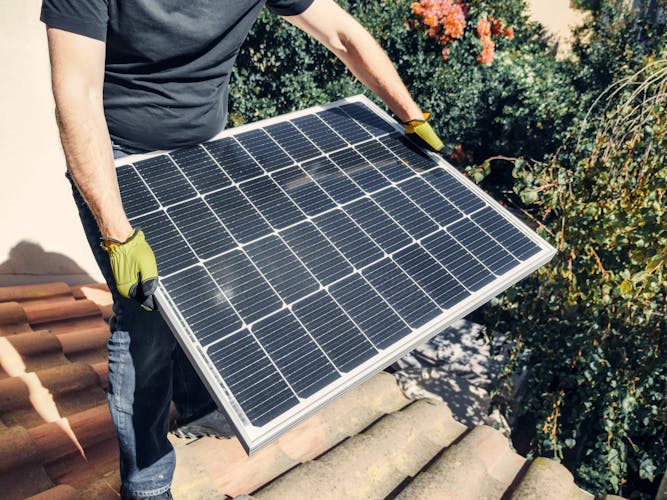
Masdar City focuses on clean technology, renewable energy, and sustainability. Government backed with excellent facilities but limited to specific sectors.
Pros
- Abu Dhabi government support
- Clean tech sector focus
- Excellent facilities
- Sustainability credentials
- Good banking access
Cons
- Limited to clean tech sectors
- Higher cost than Dubai alternatives
- Abu Dhabi location for Dubai clients
- Smaller business community
Ajman: Free Zone vs Offshore Compared
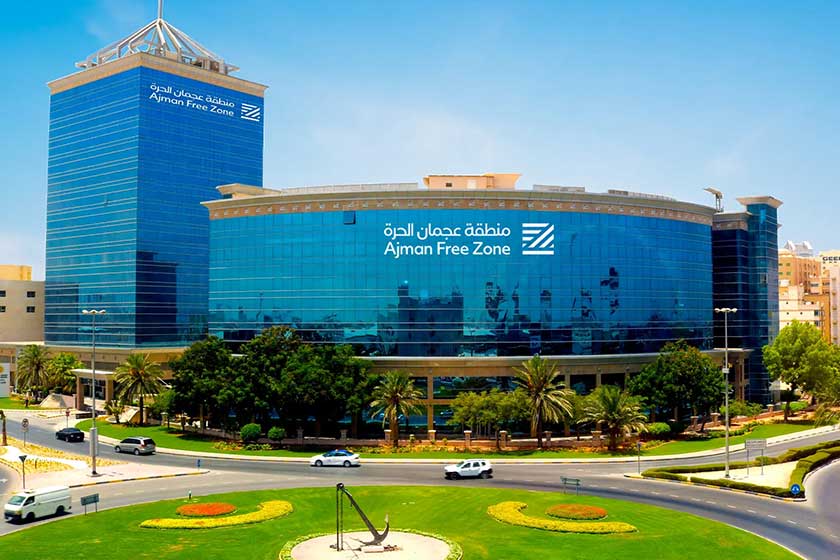
Ajman presents one of the clearest examples of something that confuses almost every client I speak to: the same emirate offering two fundamentally different products under one name. The Ajman Free Zone license and the Ajman Offshore company are not the same thing and serve completely different purposes. Understanding the difference is essential before you speak to any formation agent about Ajman.
Ajman Free Zone: Trading License (Active Company)
The Ajman Free Zone Authority was established by Amiri Decree in 1988, making it one of the UAE's original free zones with 37 years of operating history. An Ajman Free Zone license is a genuine active trading license: it comes with visa eligibility, permits physical office or warehouse space, allows you to hire staff, and enables actual commercial operations. It is not a holding vehicle. Think of it as a cost-effective alternative to JAFZA or Meydan for businesses that need an active operating entity but have a tighter budget.
It fits for small import/export operations, light manufacturing, or service businesses that do not specifically need a Dubai address, Ajman Free Zone offers solid value with nearly four decades of regulatory track record.
Pros
- 37 years of operating history: mature and stable free zone authority
- Very competitive pricing for a genuine active trading license
- Visa eligibility included
- Physical office, warehouse, and light industrial options available
- Wide range of permitted trading and service activities
- Port access through Ajman Port for trading operations
Cons
- Ajman address: less prestigious than Dubai for client perception
- 25 km from Dubai city center: regular commuting impractical
- Cannot trade on UAE mainland without additional license
- Smaller business community than major Dubai free zones
- Bank account opening requires strong business justification
Ajman Offshore: International Holding Company
The Ajman offshore company is not an active trading entity. It is a holding and international business vehicle that exists on paper, with a UAE registered address but no physical presence, no visa eligibility, and no right to conduct business with mainland UAE entities. It was introduced around 2012, giving it 13 years of offshore track record: meaningful but shorter than RAK ICC's 19 years.
The use cases are narrow but legitimate: holding shares in other companies, holding UAE real estate, acting as the top entity in a multi-jurisdictional group structure, or serving as a UAE-registered vehicle for royalty or IP ownership. The cost is the lowest of any UAE offshore option.
If cost is the absolute priority and you do not need banking: Ajman offshore. If you need a more legally sophisticated structure, plan to apply for UAE banking, have European or American counterparties who will scrutinize the jurisdiction, or want the ability to migrate from BVI: RAK ICC offshore is worth the extra money. The 19 years vs 13 years of track record and the English common law framework of RAK ICC make a real difference in practice.
Pros
- Lowest cost UAE offshore: from $1,500 total setup
- 0% corporate tax on international income
- 100% foreign ownership
- Can hold shares in companies and UAE real estate
- Fast setup: 1 to 3 business days
- No annual audit requirement
Cons
- No visa eligibility; no physical presence rights
- Cannot trade on UAE mainland
- Bank account opening very difficult in 2026
- Shorter track record than RAK ICC (13 vs 19 years)
- Less sophisticated legal framework than RAK ICC
- UAE economic substance rules may apply
RAK: Free Zone (RAKEZ) vs Offshore (RAK ICC)

Ras Al Khaimah is the UAE's northernmost emirate and one of the best-kept secrets in Gulf business formation. It offers two completely distinct products: RAKEZ (the active free zone authority) for businesses that need genuine operations with visa eligibility, and RAK ICC (the offshore registry) for holding structures.
RAKEZ: Ras Al Khaimah Economic Zone
RAKEZ was formed in 2017 by merging the RAK Free Trade Zone (established 2000) with the RAK Investment Authority, creating a single authority with 25 years of combined free zone history and over 15,000 active businesses across multiple zones within the emirate. It is one of the UAE's largest free zone ecosystems by number of registered entities, and one of the most competitively priced for businesses that need a genuine active license with visa rights.
RAKEZ has developed a strong reputation for manufacturing and industrial businesses in particular. The availability of large industrial plots, warehouses, and light manufacturing facilities at prices well below JAFZA makes it genuinely attractive for production-oriented companies.
Pros
- 25 years of operating history; 15,000+ businesses: substantial ecosystem
- Very competitive pricing for active license with visa eligibility
- Large industrial and warehouse facilities available
- Strong for manufacturing and production businesses
- Multiple zone options: industrial, digital, media, general trading
- 0% tax on qualifying free zone income
Cons
- RAK address: approximately 100 km from Dubai city center
- Less prestigious than Dubai free zones for client perception
- Cannot trade directly on UAE mainland
- Banking can be challenging: requires strong business justification
- Less international name recognition than JAFZA or DIFC
RAK ICC: International Corporate Centre (Offshore)
RAK ICC is, in my opinion, the best offshore jurisdiction in the UAE: and it has been since roughly 2012 when the legal infrastructure reached a level of maturity that I became genuinely comfortable recommending it to clients with complex needs. Founded in 2006 and now with 19 years of operating history, RAK ICC has built an English common law framework (similar to DIFC court and ADGM Court) that borrows heavily from BVI best practice while adding the UAE's geographic and reputational advantages.
The standout feature that no other UAE offshore jurisdiction can match: RAK ICC can accept company migrations directly from the BVI and several other offshore jurisdictions. This means a company incorporated in the BVI in 2005 can be redomiciled to RAK ICC, retaining its full legal history, contracts, and corporate record, but now carrying a UAE address instead of a BVI one. For clients who built structures in BVI over the years and now want to move away from post-Pandora Papers scrutiny, this migration path is enormously valuable.
Pros
- Best legal framework of any UAE offshore: English common law
- Can accept direct company migrations from BVI and other jurisdictions
- 19 years of operating history: most mature UAE offshore product
- 0% corporate tax on all offshore activities
- FATF-aligned: bearer shares abolished; beneficial owner register maintained
- Can hold UAE real estate directly
- Strongest international recognition of any UAE offshore structure
Cons
- No visa eligibility; no physical presence rights
- Cannot trade on UAE mainland
- Bank account opening still requires strong KYC justification
- UAE economic substance rules may require UAE-based management
- Annual renewal fees payable every year without exception
- Less globally known than BVI or Cayman Islands
QE2 Free Zone: Business on an Icon
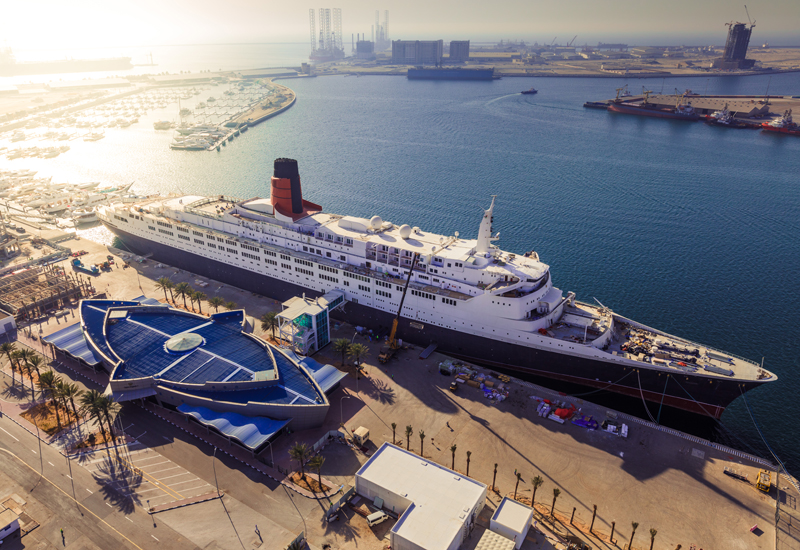
QE2 Free Zone: The World's Most Unique Business Address
The QE2 is one of the most recognizable ships in maritime history. Launched in 1967, the Cunard ocean liner sailed for 41 years before being purchased by the Dubai government in 2008 and permanently moored at Mina Rashid in Port Rashid, Dubai. After a decade of refurbishment it reopened as a heritage hotel, conference center, and restaurant destination. And then someone had the uniquely Dubai idea of turning it into a free zone.
The QE2 Free Zone, operational since approximately 2019, allows you to register a company with a registered address on the actual ship. It is without question the most unusual business address available anywhere in the world. I have set up one company there for a client in the maritime and logistics sector who found the symbolic value genuinely useful in his industry: the QE2 name still carries enormous recognition among shipping professionals globally.
Maritime businesses and shipping consultants for whom the QE2 brand resonates. Companies in luxury, hospitality, or heritage sectors where the address creates a conversation. Entrepreneurs who want a legitimate UAE license at competitive cost and genuinely do not mind the unconventional address.
Pros
- World's most unique business address: registered on a historic ocean liner
- Competitive pricing; comparable to SHAMS and Ajman
- 100% foreign ownership; 0% corporate tax on qualifying income
- Visa eligibility included
- Dubai address, not a northern emirate
- Extraordinary story and brand value in the right industries
- Fast setup: streamlined process
Cons
- Only approximately 6 years of operating history: very new
- Very limited track record for bank account opening
- Some banks and counterparties unfamiliar with the jurisdiction
- Cannot trade directly on UAE mainland
- Novelty address may cause friction in formal due diligence processes
- Limited to service activities; not suitable for trading or warehousing
Master Comparison: All UAE Options
Every UAE option side by side. Use this to shortlist: then do the deeper reading on the sections that match your business type.
| Option | Founded | Banking | Reputation | Best For |
|---|---|---|---|---|
| Dubai Mainland (DED) | 1984 | Excellent | Top Tier | UAE-active businesses, regulated sectors |
| JAFZA | 1985 | Excellent | Top Tier | Trading, logistics, manufacturing |
| Meydan Free Zone | 2009/2016 | Moderate | Good | SMEs, consultants, digital businesses |
| DIFC | 2004 | World Class | Top Tier | Financial services, funds, fintech |
| SHAMS | 2017 | Difficult | Moderate | Freelancers, content creators, consultants |
| Masdar City FZ | 2008 | Moderate | Good | Clean tech, renewable energy, ESG |
| Ajman Free Zone | 1988 | Moderate | Moderate | Budget active license outside Dubai |
| Ajman Offshore | 2012 | Difficult | Budget | Minimum cost UAE holding vehicle |
| RAKEZ | 2000 | Moderate | Moderate | Manufacturing, industrial, budget active |
| RAK ICC Offshore | 2006 | Challenging | Good | Best-quality UAE offshore holding |
| 🚢 QE2 Free Zone | 2019 | Limited | Unique | Maritime, luxury, heritage businesses |
My Honest Recommendations
For Active UAE Trading
Choose Dubai Mainland if you need unrestricted UAE market access and can justify the 9% corporate tax and compliance costs. The banking access and reputation advantages outweigh the tax burden for most trading businesses.
For Physical Trade & Logistics
Choose JAFZA if your business involves manufacturing, warehousing, or import/export. The port integration and institutional recognition justify higher costs for trade-focused companies.
For Service Businesses & SMEs
Choose Meydan Free Zone for the best balance of cost, Dubai address credibility, and banking access. Perfect for consultants, agencies, and professional services not requiring UAE mainland trading.
For Financial Services
Choose DIFC if you need DFSA regulation, English common law protection, or institutional credibility for asset management, funds, or regulated financial activities. The premium cost is justified by regulatory framework.
For Budget Conscious
Choose SHAMS only if cost is the absolute priority and you can accept difficult banking and limited credibility. Better for freelancers needing basic UAE presence than serious businesses.
For Offshore Holding
Choose RAK ICC for non-operational holding companies, IP ownership, or structures requiring English common law. Avoid Ajman Offshore due to banking difficulties and limited substance.
What to Avoid
Avoid choosing based on cost alone. A cheap license that cannot open a bank account or lacks credibility with clients will cost you far more in lost business than you saved on formation fees. Avoid offshore structures for operational businesses requiring banking. Avoid free zones far from your client base without strong justification.
The UAE offers exceptional business infrastructure, but only if you choose the right formation structure for your specific business model. Take time to understand these options before committing. The wrong choice creates expensive problems that are difficult to unwind later.
"In the UAE, the right structure for you is almost never the cheapest one and almost never the most expensive one. It is the one that matches exactly what your business actually does and who your clients actually are."
- Dr. Dieter Hovorka, PhD, 25 years in UAE company formationUAE free zone regulations, permitted activities, visa quotas, pricing, and corporate tax treatment all change frequently. What was accurate last year may not be accurate today. This article reflects my experience and knowledge as of March 2026. Always confirm current requirements with the specific free zone authority and engage a UAE-based tax advisor before making formation decisions.
If you would like to discuss your specific situation, contact us directly. That is exactly what we are here for.
Sources: UAE Ministry of Economy, DED Dubai, JAFZA Authority, Meydan Free Zone, SHAMS, Masdar City Free Zone, AFZA Ajman, RAKEZ, RAK ICC, UAE Federal Corporate Tax Law (2023), and direct practitioner experience across UAE formation since 2004.