
Welcome to the World of Banking
Let's be honest, banking is one of those topics that can feel overwhelming. Traditional, digital, crypto, Islamic, neo, challenger... the labels alone are enough to make your head spin. But here's the thing: once you understand what each type of bank is trying to do, and for whom, it all starts to make sense.
I wrote this guide because I believe that financial literacy is one of the most underrated superpowers of our time. Whether you're a curious professional, an entrepreneur deciding where to park your business funds, or someone simply trying to make smarter financial decisions, this is for you.
"Banking is necessary, banks are not."
- Bill Gates, 1994, a prophecy that took 30 years to start coming trueWe'll walk through each type of banking institution, explore the pros and cons honestly, highlight the global leaders and Middle Eastern champions, look at the numbers behind the industry, and finally, offer a view into what the future of banking might look like. Grab a coffee. Let's dive in.
Banking by the Numbers

How many banks exist, how many were born, and how many didn't survive 2020–2026
Before we dive into the types, let's ground ourselves in some real statistics. The banking world is larger, and more volatile, than most people realize.
Global Banking Landscape (2024 Estimates)
~25,000 Commercial & Traditional Banks Worldwide
Down from ~30,000 in 2010 due to consolidation and digital disruption
~500+ Investment Banks (dedicated)
Including bulge brackets and boutique firms
~400+ Digital / Neobanks / Challenger Banks
Holding banking licenses or e-money licenses globally
~500+ Islamic Banks & Windows
Concentrated in GCC, Southeast Asia, and North Africa
~50–80 Crypto-native Banks / Custodians
Regulated; many more unregulated platforms
~100+ BaaS Providers
Powering thousands of embedded finance products
Openings & Closures: 2020–2026
The pandemic era reshaped banking like nothing since the 2008 financial crisis, but in a completely different direction. Instead of collapse, we saw a surge of digital innovation and a culling of physical infrastructure.
| Category | Est. Opened 2020–2026 | Est. Closed 2020–2026 | Net Change | Key Driver |
|---|---|---|---|---|
| Traditional Banks | ~800 | ~2,200 | –1,400 | Branch consolidation, M&A |
| Investment Banks | ~80 | ~30 | +50 | Boutique advisory boom |
| Digital / Neobanks | ~220 | ~40 | +180 | Pandemic-accelerated adoption |
| Challenger Banks | ~150 | ~55 | +95 | VC investment surge |
| BaaS Providers | ~60 | ~10 | +50 | Embedded finance growth |
| Islamic Banks | ~90 | ~20 | +70 | GCC & SE Asia expansion |
| Crypto Banks | ~50 | ~25 | +25 | Regulatory uncertainty = M&A |
| Neobanks (B2B) | ~100 | ~15 | +85 | SME banking gap |
Sources: BIS, World Bank, FDIC, CB Insights, Finovate, and regional central bank reports. Figures are estimates based on available regulatory data.
1. Traditional (Retail) Banks

The pillars of the financial system, time-tested and evolving
Traditional banks are what most of us grew up with. They hold deposits, provide loans, offer mortgages, and serve as the backbone of economic life. When your parents told you to 'put your money in the bank,' this is what they meant.
These institutions operate under strict government regulation, are typically insured by national deposit protection schemes, and maintain physical branch networks, though that last part is shrinking fast. Their strength lies in trust, scale, and the breadth of products they offer.
📉 The -1,400 Story: A Slow but Undeniable Decline
Let's talk about the number that should make every banking executive pause: a net loss of approximately 1,400 traditional banks between 2020 and 2026. That is not a blip. That is a structural trend, and it tells a very specific story about where this industry is heading.
To put it in context: in 1984, the United States alone had over 14,000 commercial banks. By 2024, that number had dropped to around 4,600. Europe tells a similar story. The UK went from 300+ high-street banks in the 1990s to a handful of dominant players today. Germany's Sparkassen network, once the pride of regional banking, has consolidated from over 600 institutions to under 370 in two decades.
| Driver | Scale | Region | Example | Outlook |
|---|---|---|---|---|
| Mergers & Acquisitions | High | Global | BBVA + Sabadell; USB + CS | Accelerating |
| Branch Network Collapse | Very High | US, UK, EU | Lloyds: -900 branches since 2015 | Continuing |
| Digital Competition | High | Global | Neobanks capturing Gen Z | Intensifying |
| Regulatory Cost Burden | Medium | EU, US | Basel IV compliance costs | Stable |
| Rural Bank Closures | High | US, UK, Africa | FDIC: 2,300+ rural closures | Ongoing |
| Failed / Liquidated | Low-Med | US, EU | SVB, Signature, First Republic | Cyclical |
What does this mean in practice? First: consolidation. The banks that survive are getting bigger, not smaller. The top 5 US banks now control over 45% of all deposits, a concentration level unseen since before the Great Depression. Second: branch deserts. In the UK, over 5,000 bank branches have closed since 2015, leaving entire towns with no in-person banking services. The elderly and the financially vulnerable are hit hardest.
But here is the nuance that gets lost in the pessimism: traditional banks are not dying, they are metamorphosing. The smartest ones are not trying to out-feature neobanks. They are doing what they do best, holding vast balance sheets, managing complex credit, and operating the regulated infrastructure that the entire financial system depends on, while quietly acquiring or partnering with digital players to modernize their customer experience. JPMorgan spends $15 billion a year on technology alone. HSBC acquired Zing. Santander built Openbank. The transformation is underway; it is just slower, messier, and less Instagram-worthy than a challenger bank launch.
The trend line is clear: fewer banks, bigger banks, more digital banks. The -1,400 figure is not the end of traditional banking. It is the price of admission to the next era.
Pros
- Highest trust and regulatory protection, deposits typically insured up to $250K (US), €100K (EU), or equivalent
- Full suite of products: current accounts, savings, mortgages, credit cards, loans, investments
- Physical branch access, still valued by many demographics
- Established relationships with regulators, enabling international transactions and letters of credit
- Long credit history and mature risk management frameworks
Cons
- Bureaucratic and slow, opening an account can take days, a loan weeks or months
- Legacy technology stacks are expensive to maintain and difficult to modernize
- Fees, fees, fees, maintenance charges, FX markups, and transaction costs are often opaque
- Poor user experience compared to modern digital alternatives
- Branch closures are alienating underserved and rural communities
🌍 Top 3 International
| Institution | Headquarters | Ownership | Notable For |
|---|---|---|---|
| JPMorgan Chase | New York, USA | Publicly traded (NYSE: JPM) | Largest US bank by assets; $3.9T total assets |
| HSBC | London, UK | Publicly traded (LSE/HKEx: HSBA) | Largest European bank; 40+ country presence |
| Industrial & Commercial Bank of China (ICBC) | Beijing, China | State-owned (51%) + Public float | World's largest bank by total assets (~$6.3T) |
🌙 Middle East Spotlight
| Institution | Headquarters | Ownership | Notable For |
|---|---|---|---|
| First Abu Dhabi Bank (FAB) | Abu Dhabi, UAE | Abu Dhabi sovereign entities ~37% + public float | UAE's largest bank; AED 1.2T+ in assets; strong regional M&A ambition |
2. Investment Banks
The deal-makers, capital raisers, and market architects
Investment banks don't serve everyday consumers. Instead, they serve corporations, governments, and institutional investors. Their world revolves around capital markets, mergers and acquisitions (M&A), initial public offerings (IPOs), and complex financial instruments.
Think of them as the plumbers of global capital flows, you rarely see them, but without them, the financial system would stop working. They bring companies to market, facilitate billion-dollar mergers, and trade everything from bonds to derivatives.
Pros
- Essential for capital formation, they fund the companies and infrastructure projects that shape economies
- Deep expertise in complex transactions that require specialized knowledge
- Access to global networks of institutional investors, giving clients unparalleled capital access
- Revenue diversity: advisory fees, trading revenues, asset management, and lending
- Talent magnets, attract some of the brightest financial minds globally
Cons
- Conflicts of interest are structurally embedded, advising buyers AND sellers, or trading against their own clients
- Contributed significantly to the 2008 financial crisis through reckless risk-taking
- Compensation culture that prioritizes short-term profits over long-term value
- Regulatory complexity and cost has increased dramatically since 2010
- Not accessible to SMEs, startups, or individuals, the everyday person simply doesn't matter here
🌍 Top 3 International
| Institution | Headquarters | Ownership | Notable For |
|---|---|---|---|
| Goldman Sachs | New York, USA | Publicly traded (NYSE: GS) | Premier M&A and capital markets advisor globally |
| Morgan Stanley | New York, USA | Publicly traded (NYSE: MS) | Investment banking + wealth management powerhouse |
| Deutsche Bank | Frankfurt, Germany | Publicly traded (XETRA: DBK) | Europe's leading investment bank; global fixed income |
🌙 Middle East Spotlight
| Institution | Headquarters | Ownership | Notable For |
|---|---|---|---|
| EFG Hermes | Cairo, Egypt / Dubai, UAE | Public float ~60% + EFG Holding | MENA's leading investment bank; pan-African ambition; strong ECM track record |
3. Digital Banks

No branches, no queues, no nonsense, banking in your pocket
Digital banks (sometimes called online banks or internet banks) are fully licensed banks that operate exclusively through digital channels. They have no physical branches, instead, they've bet everything on delivering a better banking experience through technology.
What separates them from neobanks (more on that shortly) is that digital banks hold full banking licenses. They can hold deposits, offer credit, and provide the same protections as traditional banks. The difference is in how they deliver all of this, faster, cheaper, and with a much better interface.
Pros
- Frictionless onboarding, open an account in minutes with just your smartphone and ID
- Lower fees: no physical branches means dramatically lower overhead, passed on to customers
- 24/7 access and real-time notifications that actually make sense
- Strong savings rates, digital banks often offer 4–6% APY vs. 0.01% at big traditional banks
- Excellent UX/UI design, a genuine pleasure to use
Cons
- No physical branches, if something goes wrong, you're relying on chat support
- Some still lack the full product suite (mortgages, complex lending, business banking) of traditional banks
- Dependent on parent banking partners in some markets, adding an extra layer of risk
- Consumer confidence can be lower, especially in older demographics
- Cybersecurity is a perpetual concern with fully digital operations
🌍 Top 3 International
| Institution | Headquarters | Ownership | Notable For |
|---|---|---|---|
| Ally Bank | Detroit, USA | Publicly traded (NYSE: ALLY); formerly GMAC | Pioneer digital bank; top US savings rates; strong auto lending |
| Marcus by Goldman Sachs | New York, USA | Division of Goldman Sachs (NYSE: GS) | High-yield savings; personal loans; Apple Card backend |
| ING Direct / ING | Amsterdam, Netherlands | ING Group (publicly traded: INGA) | Europe-wide digital-first banking with full license |
🌙 Middle East Spotlight: Wio vs YAP
The UAE has two standout digital banking stories worth comparing side by side, and they are very different animals.
| Institution | Headquarters | Ownership | Notable For |
|---|---|---|---|
| Wio Bank | Abu Dhabi, UAE | Abu Dhabi Digital Authority + e&; sovereign-backed full bank license | UAE's first platform bank with full CBUAE license; B2B and retail; embedded banking for SMEs via Wio Business |
| YAP | Dubai, UAE | Private, backed by Mashreq Bank (UAE's oldest private bank) | UAE's first independent digital bank; consumer-focused; virtual and physical cards; targets underbanked & youth segments |
Here is the honest comparison: Wio is playing a longer, more ambitious game. Backed by sovereign capital and holding a full banking license from the Central Bank of UAE, it is building platform banking infrastructure, offering SME accounts, embedded finance APIs, and a genuine full-stack banking product. It launched Wio Business first, targeting entrepreneurs and freelancers who were historically underserved by big banks, and then expanded to personal banking. Think of Wio as the UAE's answer to Starling Bank, profitable-minded, B2B-anchored, and infrastructure-first.
YAP, by contrast, was the pioneer, it launched before Wio and proved there was consumer appetite for a sleek, card-first digital experience in the UAE. It operates under Mashreq Bank's license, which simplifies compliance but limits its independence. YAP has strong brand recognition, particularly with younger demographics, and its partnership model has allowed it to move quickly. The trade-off is ceiling: without its own banking license, YAP's ability to build a full-spectrum banking product is constrained.
In short: if you are a freelancer or SME owner who needs a real business account with IBAN, multi-currency wallets, and API integrations, Wio is the answer. If you are a young professional who wants a beautiful card, instant notifications, and easy spending controls, YAP delivers that experience well. The UAE is big enough for both, and their coexistence actually makes the market healthier.
4. Fintech Banks
Technology-first, customer-obsessed, regulation-navigating pioneers
Fintech banks occupy a fascinating middle ground. They started as technology companies and evolved into financial institutions. Unlike traditional banks that digitized, these were born digital and had to earn their way into the regulated financial system.
What makes them distinct is their culture: product teams that ship features weekly, data teams that obsess over user behavior, and leadership that often comes from Silicon Valley rather than Wall Street. The result is financial products that feel more like apps than banking services.
Pros
- Hyper-personalization, using data and AI to tailor products to individual financial behaviors
- Speed of innovation: new features and products deployed in days, not years
- Often the first to serve underbanked or underserved communities
- Strong mobile-first experience; seamless integrations with other apps and platforms
- Competitive pricing: often no fees for basic banking, best-in-class FX rates
Cons
- Profitability has been a persistent challenge, many burn VC cash without clear paths to profit
- Regulatory arbitrage can backfire: operating on borrowed licenses creates risk
- Customer service quality varies dramatically
- Privacy concerns: data monetization is often baked into the business model
- Smaller balance sheets and less resilience in economic downturns
🌍 Top 3 International
| Institution | Headquarters | Ownership | Notable For |
|---|---|---|---|
| Revolut | London, UK | Private, $45B valuation; SoftBank, Tiger Global | 150M+ customers; multi-currency; stocks, crypto, travel insurance |
| Chime | San Francisco, USA | Private, ~$25B valuation; Sequoia, SoftBank | Largest US neobank; fee-free; early paycheck access |
| Nubank | São Paulo, Brazil | Publicly traded (NYSE: NU); Warren Buffett invested | 100M+ customers in LatAm; credit card disruption pioneer |
🌙 Middle East Spotlight
| Institution | Headquarters | Ownership | Notable For |
|---|---|---|---|
| Tamara | Riyadh, Saudi Arabia | Private, Sanabil Investments (PIF subsidiary) + others | BNPL & fintech; Saudi Arabia's first unicorn; 10M+ users across GCC |
5. Crypto Banks
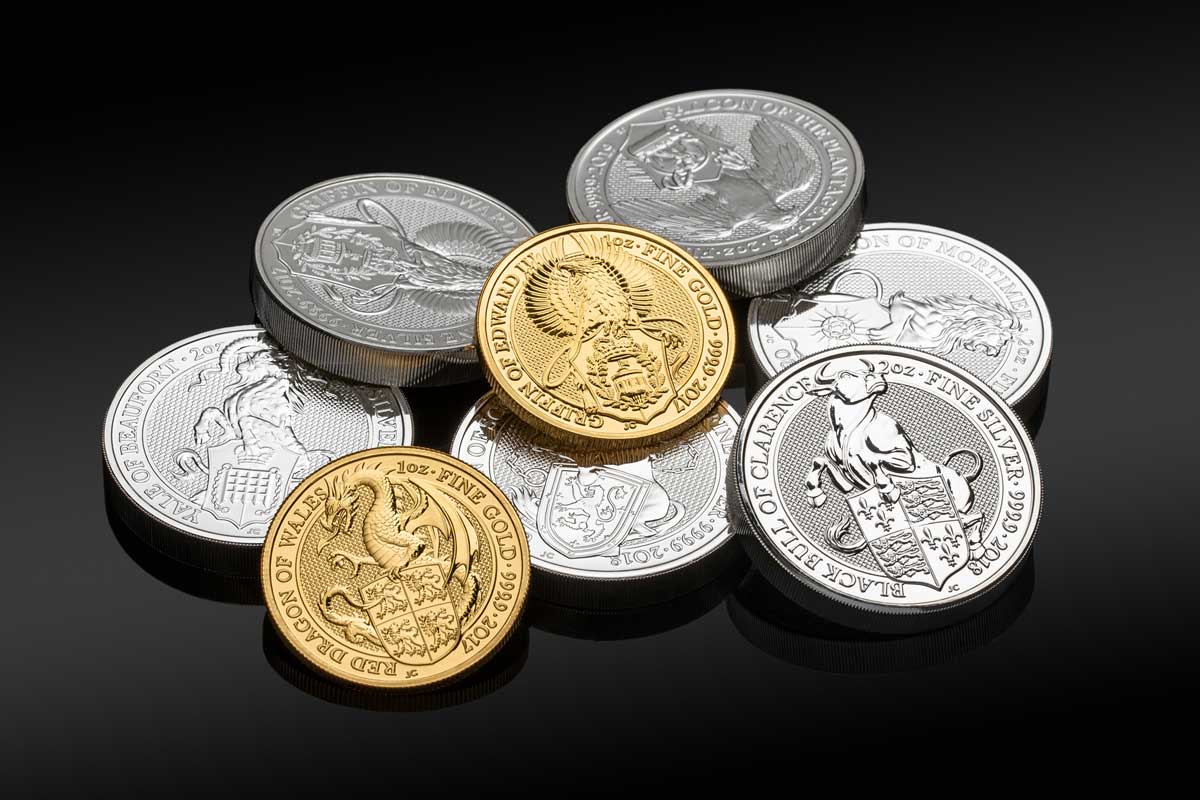
Where blockchain meets banking, volatile, visionary, and still finding its footing
Crypto banks are institutions that bridge the world of traditional finance and blockchain-based assets. They custody digital assets, offer crypto-backed loans, facilitate on/off-ramps between fiat and crypto, and sometimes offer interest on crypto deposits.
This space has experienced incredible highs and devastating lows. The collapses of Silvergate, Signature Bank, and Silicon Valley Bank in 2023 sent shockwaves through the sector. And yet, the demand hasn't gone away, it's evolved. Regulated crypto custody and institutional-grade blockchain banking is very much alive and growing.
Pros
- 24/7 settlement, blockchain doesn't close on weekends or holidays
- Enables new asset classes and investment opportunities not available in traditional banking
- Borderless transactions with lower friction than SWIFT for international transfers
- Tokenization of real-world assets is opening entirely new markets
- Attracts crypto-native businesses that traditional banks refuse to serve
Cons
- Extreme regulatory uncertainty, rules differ wildly by country and change frequently
- High-profile collapses (FTX, Celsius, Silvergate) have devastated trust and wiped out consumer savings
- Crypto assets are highly volatile, complicating risk management
- Lack of deposit insurance in most jurisdictions for crypto holdings
- Cybersecurity risk is significant, crypto is an irreversible, attractive target for hackers
🌍 Top 3 International
| Institution | Headquarters | Ownership | Notable For |
|---|---|---|---|
| Anchorage Digital | San Francisco, USA | Private, Goldman Sachs, Andreessen Horowitz, GIC | First federally chartered crypto bank in the US (OCC charter) |
| Sygnum Bank | Zurich, Switzerland | Private, Swiss banking license holder | First regulated crypto bank in Switzerland; institutional focus |
| Signature Bank (legacy)/Flagstar | New York, USA | Acquired by New York Community Bank after 2023 collapse | Pioneered Signet real-time payments network for crypto businesses |
🌙 Middle East Spotlight
| Institution | Headquarters | Ownership | Notable For |
|---|---|---|---|
| Rain | Bahrain / UAE | Private, Kleiner Perkins, Coinbase Ventures | First licensed crypto exchange in MENA; expanding into banking services; CBB regulated |
6. Challenger Banks
Taking on the establishment, scrappy, customer-first, and growing fast
Challenger banks are new entrants that hold full banking licenses and directly compete with established incumbents. What sets them apart from general digital banks is their explicit positioning: they are here to challenge the status quo. They often focus on specific customer pain points that big banks have historically ignored.
Whether it's better spending analytics, fairer overdraft fees, or proper support for freelancers and gig workers, challengers have found their niches and are executing brilliantly. The best of them have grown from startup experiments to institutions serving tens of millions.
Pros
- Customer-centric design: built around solving real frustrations with traditional banks
- Full banking licenses mean customer deposits are protected under national insurance schemes
- Lean operations allow for better pricing on everyday banking products
- Faster to market with innovative features like roundup savings, salary advances, carbon footprint tracking
- Often serve demographics ignored by big banks: young people, freelancers, immigrants
Cons
- Acquisition of full banking licenses is expensive and time-consuming, many struggle with this
- Building a lending book from scratch requires capital and takes years to become profitable
- Customer retention is a challenge: it's easy to open an account, but hard to become a primary bank
- Regulatory scrutiny is increasing as they scale
- Many rely on interchange fees which are under threat in multiple markets
🌍 Top 3 International
| Institution | Headquarters | Ownership | Notable For |
|---|---|---|---|
| Monzo | London, UK | Private, $5B valuation; Accel, Y Combinator, GV | UK's most loved bank; 9M+ customers; coral card culture phenomenon |
| N26 | Berlin, Germany | Private, ~$9B valuation; Tencent, Peter Thiel | Pan-European challenger; operates across 24 countries; sleek design |
| Starling Bank | London, UK | Private, Anne Boden founded; Goldman Sachs, Qatar Investment Authority | UK challenger with full banking license; profitable; strong SME banking |
🌙 Middle East Spotlight
| Institution | Headquarters | Ownership | Notable For |
|---|---|---|---|
| Liv. | Dubai, UAE | Subsidiary of Emirates NBD (publicly listed) | UAE's first lifestyle digital bank; targets millennials; 1M+ customers |
7. Banking as a Service (BaaS)
The invisible infrastructure powering the fintech revolution
Banking as a Service is perhaps the most exciting and least understood category in this guide. BaaS providers are the companies that let any business embed financial products, accounts, cards, payments, lending, without needing a banking license of their own.
Think of BaaS as the AWS of banking. Just as Amazon Web Services lets startups build on world-class infrastructure without building data centers, BaaS lets a ride-sharing app offer driver debit cards, or a retailer offer buy-now-pay-later, without becoming a bank.
Pros
- Democratizes financial services: any company can now offer banking products to its customers
- Enables embedded finance, meeting customers where they already are (retail apps, HR software, etc.)
- Dramatically faster time-to-market for new financial products
- Reduced regulatory burden for product companies using licensed BaaS rails
- Creates powerful new revenue streams for non-financial businesses
Cons
- Regulatory accountability can become diffuse, who is responsible when something goes wrong?
- Partner bank failures can cascade into BaaS-dependent fintechs (e.g. Synapse collapse in 2024)
- Margin compression as the BaaS market becomes more competitive
- Complex compliance requirements for the non-bank companies using these services
- Vendor lock-in risk: switching BaaS providers is technically and operationally complex
🌍 Top 3 International
| Institution | Headquarters | Ownership | Notable For |
|---|---|---|---|
| Stripe | San Francisco, USA | Private, $65B valuation; Sequoia, Andreessen Horowitz, GIC | Global payments and financial infrastructure; Stripe Treasury for embedded banking |
| Railsr (formerly Railsbank) | London, UK | Private, Anthos Capital, Visa, SoftBank | Leading European BaaS; global card issuing and account infrastructure |
| Solarisbank | Berlin, Germany | Private, ABN AMRO, BBVA, HV Capital | German-licensed BaaS; powers N26, Samsung Pay, and 50+ partners |
🌙 Middle East Spotlight
| Institution | Headquarters | Ownership | Notable For |
|---|---|---|---|
| Tarabut Gateway | Bahrain / UAE | Private, Tiger Global, Visa, Entrée Capital | MENA's leading open banking / BaaS platform; regulated by CBUAE and CBB |
8. Islamic Banking

Finance rooted in faith, ethical, principled, and globally expanding
Islamic banking is one of the most misunderstood sectors in global finance. It operates according to Shariah (Islamic law), which prohibits the charging or paying of interest (riba), excessive uncertainty (gharar), and investments in sectors considered harmful such as alcohol, gambling, and weapons.
Rather than charging interest, Islamic banks use profit-sharing arrangements, asset-backed financing, and leasing structures. The result is a system that many non-Muslim economists and ethicists find compelling for its emphasis on equity, risk-sharing, and tangible asset backing. It's not niche, Islamic banking manages over $3 trillion in assets globally and is growing at roughly 15% annually.
Pros
- Principled investing: aligned with ethical and ESG values; no exposure to harmful industries
- Risk-sharing rather than risk-shifting: encourages more equitable economic outcomes
- Asset-backed finance means lower systemic risk compared to speculative conventional products
- Strong regulatory frameworks in key markets (UAE, Malaysia, Bahrain, Saudi Arabia)
- Growing global appeal beyond Muslim-majority countries, especially for ethical investors
Cons
- Complexity of Shariah-compliant structures can make products more expensive to design and administer
- Lack of standardization across different schools of Islamic jurisprudence creates inconsistency
- Limited product range compared to conventional banking in some markets
- Shariah board interpretation differences can cause confusion and lack of transparency for consumers
- Lower liquidity in Islamic capital markets compared to conventional markets
🌍 Top 3 International
| Institution | Headquarters | Ownership | Notable For |
|---|---|---|---|
| Al Rajhi Bank | Riyadh, Saudi Arabia | Public, Saudi Tadawul (RJHI); founding family holds majority | World's largest Islamic bank by assets; ~$170B total assets |
| Bank Islam Malaysia | Kuala Lumpur, Malaysia | Public, BIMB Holdings (Lembaga Tabung Haji major shareholder) | Southeast Asia's pioneer Islamic bank; full product suite |
| Dubai Islamic Bank (DIB) | Dubai, UAE | Public, Dubai Government ~28% + public float | World's first Islamic commercial bank (est. 1975); $100B+ assets |
🌙 Middle East Spotlight
| Institution | Headquarters | Ownership | Notable For |
|---|---|---|---|
| Abu Dhabi Islamic Bank (ADIB) | Abu Dhabi, UAE | Abu Dhabi Govt entities ~66% + public float (ADX: ADIB) | UAE's premium Islamic bank; expanding into Egypt, UK, and beyond; digital-first strategy |
9. Neobanks
Born digital, globally ambitious, and reshaping what banking means
Neobanks are perhaps the most widely discussed category in financial circles right now, and for good reason. They are digital-only financial service providers that typically operate without a full banking license, instead partnering with licensed banks to hold deposits and issue cards.
The distinction from digital banks and challenger banks is subtle but important: neobanks tend to focus on the user experience layer, sitting on top of banking infrastructure rather than being the infrastructure themselves. They've attracted hundreds of millions of customers globally by making banking genuinely enjoyable.
Pros
- Exceptionally seamless onboarding, from zero to having an account in under 5 minutes
- Real-time spending notifications and insights that help users understand their money
- International-friendly: many neobanks offer free or cheap foreign transactions
- Often the most accessible option for those with thin credit files or no banking history
- Constant innovation: features like virtual cards, round-up savings, and budgeting tools built-in
Cons
- Regulatory protection depends on the partner bank, complexity that most customers don't understand
- Many neobanks remain unprofitable, sustainability concerns are real
- Customer service can be inadequate for complex issues
- Limited financial product depth: great for spending, weaker for mortgages or long-term savings
- The market is crowded and consolidation is inevitable, some neobanks won't survive
🌍 Top 3 International
| Institution | Headquarters | Ownership | Notable For |
|---|---|---|---|
| Revolut | London, UK | Private, $45B valuation; 45M+ users | World's most valuable private fintech in Europe |
| Wise (formerly TransferWise) | London, UK | Publicly traded (LSE: WISE) | Transparent international transfers; 16M+ customers; profitable |
| Monese | London, UK | Private, HSBC, PayPal, Kinnevik | Serves immigrants and international workers; 2M+ customers in 31 countries |
🌙 Middle East Spotlight
| Institution | Headquarters | Ownership | Notable For |
|---|---|---|---|
| Zand Bank | Dubai, UAE | Private, Dubai sovereign backing; fully digital | UAE's first fully integrated digital bank with own banking license; both retail and corporate banking |
10. Payment Providers
Not quite banks, but increasingly more powerful than some that are
Here's a category that often gets left out of banking conversations, and it really shouldn't be. Payment providers are not banks in the traditional sense: they don't hold deposits or issue loans. But they move money, enable commerce, and sit at the intersection of every financial transaction you make. They are, in many ways, the nervous system of the modern economy.
So where do they fit in this guide? Think of payment providers as the connective tissue between all the other categories. They are the rails on which banking runs. A neobank without a payment network is just a pretty app. An e-commerce store without a payment gateway is just a catalogue. Payment providers make money move, and increasingly, they are expanding into banking territory themselves.
The Three Layers of Payment Providers
It helps to think of this space in three distinct layers, because 'payment provider' covers a surprisingly wide range of businesses:
🔍 Spotlight: Where Does Payoneer Fit?
Payoneer is a great example of a Layer 3 payment provider, and a genuine lifeline for millions of freelancers, agencies, and SMEs operating across borders. Founded in 2005 and now publicly traded (NASDAQ: PAYO), Payoneer serves over 5 million businesses in 190+ countries, processing over $70 billion in annual transactions.
Payoneer is not a bank. It holds an e-money license in multiple jurisdictions and partners with licensed banks to hold funds. What it does exceptionally well is solve the cross-border payment problem for the global gig economy: a graphic designer in Cairo gets paid by a client in New York; a software agency in Lahore invoices a startup in Berlin; a YouTube creator in Jakarta receives ad revenue from Google, Payoneer is quietly enabling all of this.
Its core value proposition: receive payments in USD, EUR, GBP, or JPY to local virtual accounts, then withdraw to your local bank at rates far better than a traditional bank would offer. For anyone doing business internationally without the luxury of a US or EU bank account, Payoneer has been transformative.
The limitation? It's a payments tool, not a full banking product. No savings, no lending, limited customer support, and fees can stack up on smaller transactions. But within its lane, it remains one of the most important financial infrastructure players for the global freelance and SME economy.
Your like to know more about Payoneer? Read our blog, Spotlight Payoneer to get a deep dive.
Pros
- Frictionless money movement, the best providers reduce a complex multi-party process to a single API call
- Global reach: payment providers often operate in markets where traditional banks won't or can't
- Speed: real-time payments, instant settlement, and 24/7 availability that banks can't match
- Competitive FX rates for international transfers, often 3-5x better than a traditional bank wire
- Enabling the gig economy and cross-border commerce at a scale traditional banking never could
Cons
- Not banks: funds held with payment providers may not be covered by deposit insurance in your country
- Account freezes and terminations with little warning, a common and painful experience for freelancers
- Fees can be opaque, especially on FX conversions and withdrawal to local accounts
- Limited recourse in disputes compared to regulated banking, consumer protection is thinner
- Increasingly competing with banks while operating under lighter regulatory requirements, a tension regulators are beginning to address
🌍 Top 3 International
| Institution | Headquarters | Ownership | Notable For |
|---|---|---|---|
| Stripe | San Francisco, USA | Private, $65B valuation; Sequoia, Andreessen Horowitz, Founders Fund | Gold standard for developer payments; 100+ countries; expanding into banking via Stripe Treasury |
| Payoneer | New York, USA | Publicly traded (NASDAQ: PAYO); $1.5B market cap | Cross-border payments for freelancers & SMEs; 5M+ users; 190+ countries |
| Adyen | Amsterdam, Netherlands | Publicly traded (AMS: ADYEN); $40B+ market cap | Enterprise payment infrastructure; Spotify, Uber, LVMH are clients; acquiring bank license |
🌙 Middle East Spotlight
| Institution | Headquarters | Ownership | Notable For |
|---|---|---|---|
| Network International | Dubai, UAE | Publicly traded (LSE: NETW); Mastercard holds ~10% | MENA's largest payment processor; 65,000+ merchants; processing 800M+ transactions annually across 50+ countries |
One final thought on where payment providers are going: the best of them, Stripe, Adyen, Wise, are quietly becoming financial services companies in their own right. Stripe now offers business accounts, lending, and tax tools. Wise holds a banking license in Belgium. Adyen obtained a banking license in the EU. The line between 'payment provider' and 'bank' is not just blurring, it is disappearing.
The Future of Banking

A personal view on where all of this is heading
We've covered a lot of ground. And you might be wondering, with so many options, where does banking go from here? Let me share my honest perspective.
1. Convergence is Coming
The lines between all these categories are blurring rapidly. Revolut is trying to become a traditional bank. Traditional banks are acquiring fintechs. BaaS is allowing everyone to become a bank. In ten years, the categories we've discussed may feel as outdated as asking whether someone's phone is a camera, a GPS, or a music player. It will simply be 'banking.'
2. AI Will Eat the Relationship Manager Role
The most significant disruption isn't coming from cryptocurrency or blockchain, it's coming from artificial intelligence. AI-powered financial advisors will outperform human ones for most everyday decisions. The banks that build the best AI layer will win. Not because of their balance sheet, but because of their data.
3. Embedded Finance Will Become Invisible
Banking will increasingly disappear into the background of daily life. You won't 'go to the bank' or 'open an app', you'll simply buy a house, start a business, or send money, and the financial infrastructure will handle everything seamlessly in the background. This is the promise of BaaS at scale, and it's already happening.
4. Islamic Finance Will Become Mainstream
As ESG investing and ethical finance become global priorities, Islamic banking principles will gain an audience far beyond Muslim communities. The asset-backed, risk-sharing model is genuinely compelling to any investor who is concerned about systemic financial risk. Expect to see Islamic finance products packaged and marketed to mainstream audiences across Europe and North America.
5. Crypto Will Find Its Institutional Role
The wild-west phase of crypto banking is over. What comes next is a more boring, more regulated, more useful version: tokenized real-world assets, programmable payments, and central bank digital currencies (CBDCs). The technology will remain, but in a form that regulators and consumers can trust.
6. The Middle East Will Punch Above Its Weight
Perhaps no region is better positioned for the next era of banking than the Gulf. With young populations, massive sovereign wealth, regulatory sandboxes that actively encourage innovation, and ambitions to become global financial hubs, Saudi Arabia, UAE, and Bahrain are not followers in this story. They are increasingly setting the agenda. Watch this space very closely.
"The future of banking is not about banks. It's about banking. The best institutions will be those that make the financial system work better for everyone, not just those who can afford it."
, A closing thoughtThank you for reading. Whether you're a banking professional, a curious entrepreneur, or someone who just wants to understand where to put their money. I hope this guide has given you a clearer picture of the landscape. The financial world is complex, imperfect, and evolving at a pace that would have seemed unimaginable just twenty years ago. But at its heart, banking is about one thing: trust. And the institutions traditional or digital, conventional or Islamic, established or challenger, that earn and keep that trust will be the ones that thrive.